
Detailing for Beginners – The Starter Kit You Should Start With
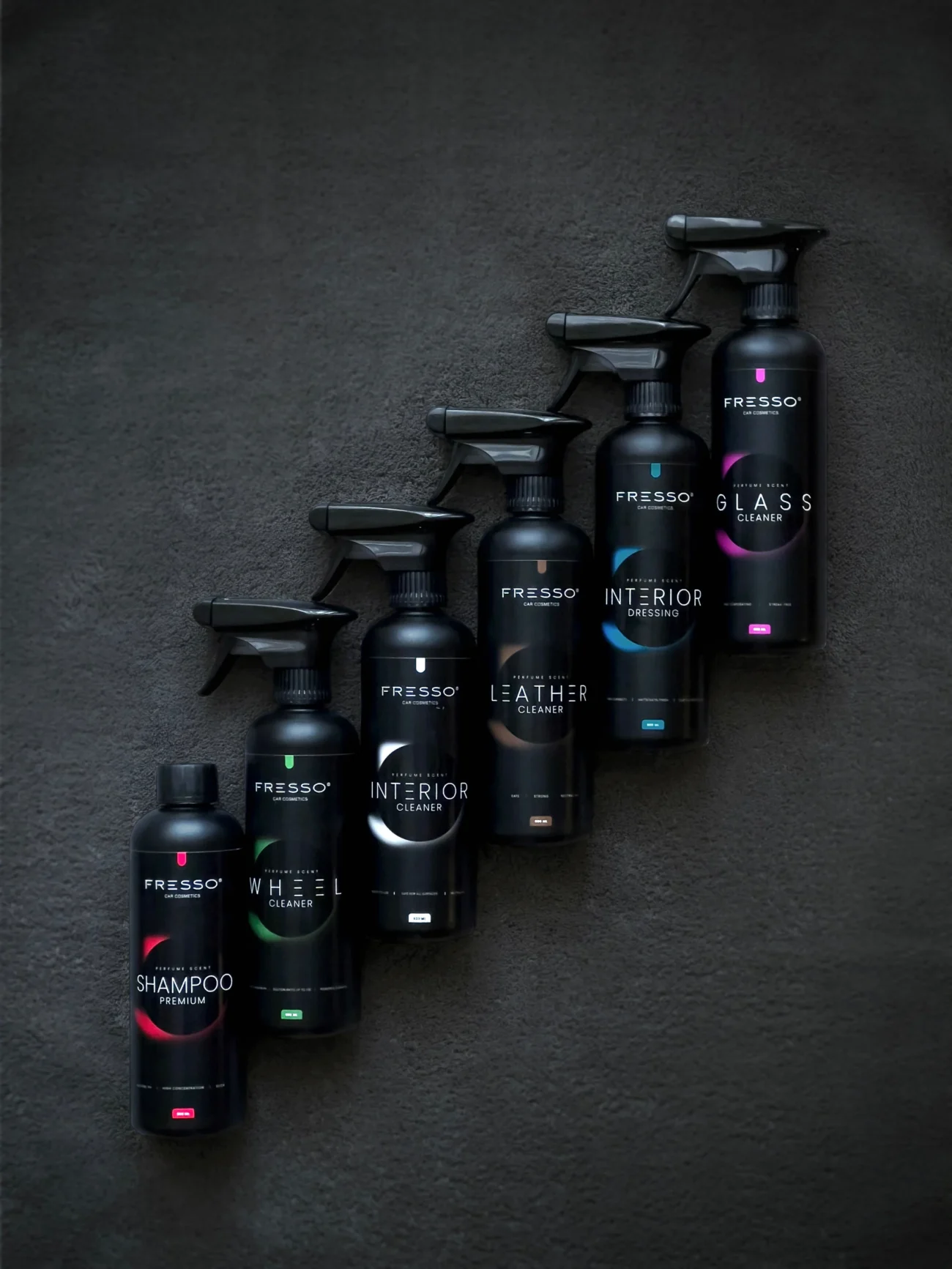
If you’re just starting your detailing journey, it’s easy to get overwhelmed by the huge range of car care products and accessories available. The good news is that six essential products and a few accessories are enough to get started. With the right kit, you can wash your car, clean your wheels, protect your paintwork and keep the interior looking its best.
Below, you’ll find a simple starter kit and the recommended order of steps to follow every time you wash your car.
Step 1. Pre-Wash – The Most Important Stage
Every proper car wash should begin with a pre-wash to remove loose dirt and grime from the bodywork. This step helps reduce the risk of swirl marks and fine scratches during the contact wash.
The best products for this stage include:
- Active Foam
- Alkaline TFR (Traffic Film Remover)
Which Should You Choose?
Active Foam is generally gentler on surfaces and clings to the paintwork for longer. It is particularly useful in spring and summer, when temperatures are higher and dirt is not too heavy.
Alkaline TFR provides stronger cleaning power and is more effective at removing stubborn road grime. When used at the correct dilution and according to the manufacturer’s instructions, it can be suitable for automotive paintwork.
Safe Application Tips
- Never apply products to hot surfaces.
- Do not allow the product to dry on the paintwork.
- Always follow the manufacturer’s recommended dilution ratio.
Active Foam Dilution
- Heavy dirt: 1:10–1:15
- Moderate dirt: 1:15–1:30
- Light dirt: 1:30–1:50
Alkaline TFR Dilution
- Heavy dirt: 1:5–1:10
- Moderate dirt: 1:10–1:15
- Light dirt: 1:15–1:20
Apply the product from the bottom upwards, leave it to work for 2–5 minutes (or as directed on the label), and rinse thoroughly with a pressure washer. Never allow it to dry on the surface.
Step 2. Hand Wash with a pH-Neutral Shampoo
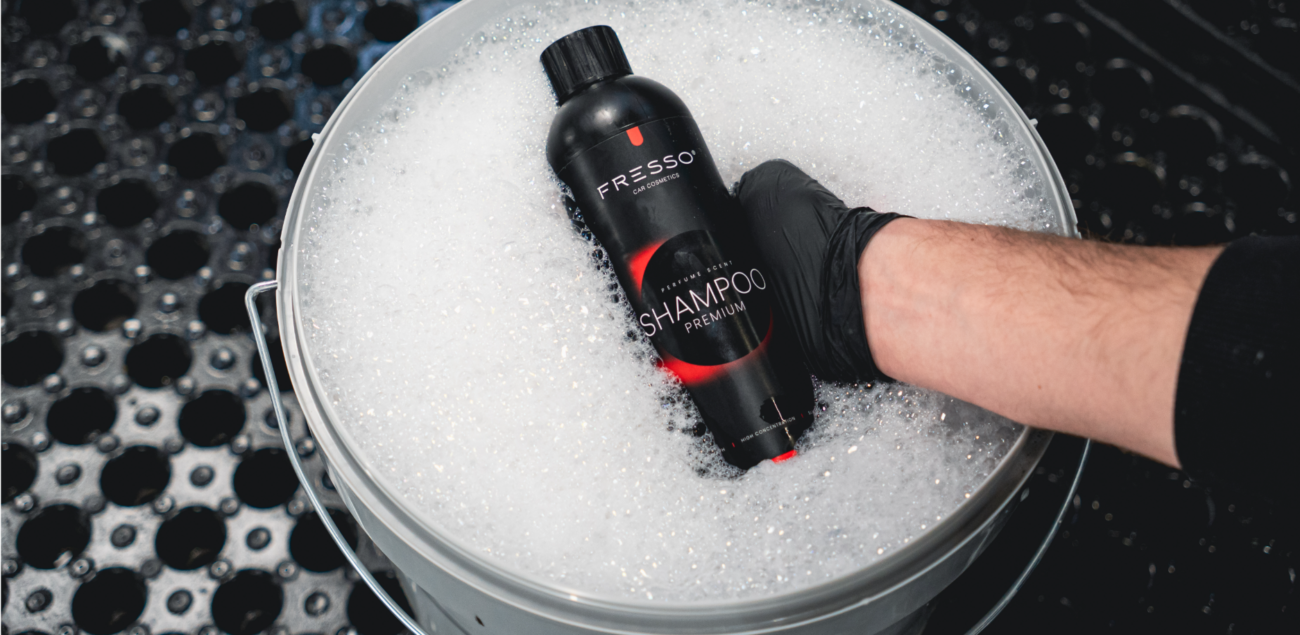
After the pre-wash, it’s time for the contact wash. A pH-neutral car shampoo is a great choice because it helps clean the paintwork without unnecessarily affecting existing waxes or protective coatings when used as directed.
For 10 litres of water, approximately 35 ml of shampoo may be sufficient, depending on the product’s instructions.
The Two-Bucket Method
The two-bucket method is one of the best ways to reduce the risk of scratching your paintwork.
You’ll need:
- One bucket containing your shampoo solution.
- One bucket containing clean rinse water.
Dip your wash mitt into the shampoo solution and wash the car from top to bottom using gentle, straight-line movements. After cleaning each section, rinse the mitt in the clean-water bucket before returning it to the shampoo.
This helps prevent dirt from being transferred back onto the paintwork.
Step 3. Wheel Cleaning
Wheels often accumulate some of the heaviest dirt on a car, so they should be cleaned separately.
A dedicated Wheel Cleaner is ideal for this task.
How to use it:
- Apply the product to the wheel according to the label instructions.
- Allow it to dwell for the recommended time.
- Agitate the surface with a suitable wheel brush or detailing brush.
- Rinse thoroughly with a pressure washer.
Always use products suitable for your wheel finish and never let them dry on the surface.
Step 4. Drying Your Car
Once washing is complete, dry the car thoroughly to minimise water spots.
A dedicated microfibre drying towel is ideal for this job.
Work from top to bottom, using gentle movements. Pay attention to lower body panels and avoid dragging the towel over the ground, as this can pick up abrasive dirt.
Step 5. Protecting the Paintwork
Once the car is clean and dry, consider protecting the paintwork with a product such as Ceramic Detailer 2.0, provided it is suitable for your vehicle’s finish.
A suitable ceramic detailer can help leave the paintwork:
- Smoother to the touch.
- Glossy and visually enhanced.
- Hydrophobic, helping water bead and run off.
Depending on the product, protection may also make future washes easier by helping dirt release more readily.
How to Apply It
Apply to a clean, dry surface unless the product label specifies otherwise.
- Spray 2–3 times onto a microfibre cloth, adjusting the amount to the panel size.
- Spread the product evenly over one panel at a time.
- Buff with a clean side of the cloth or a second microfibre until the finish is clear and streak-free.
Always follow the manufacturer’s instructions for application and curing.
Interior Care
Before cleaning the interior, thoroughly vacuum the seats, carpets and other accessible areas.
For basic interior maintenance, two products are a great starting point:
- Interior Cleaner
- Glass Cleaner
Cleaning Interior Plastics
For larger surfaces, apply Interior Cleaner to a suitable scrub pad or microfibre rather than spraying excessively onto the dashboard or sensitive controls. Gently agitate the surface and wipe away residue with a clean, dry microfibre.
For air vents, seams and hard-to-reach areas, a detailing brush can help loosen dust and dirt.
Always test the product on an inconspicuous area first.
Cleaning the Windows
Finish by cleaning the interior and exterior glass.
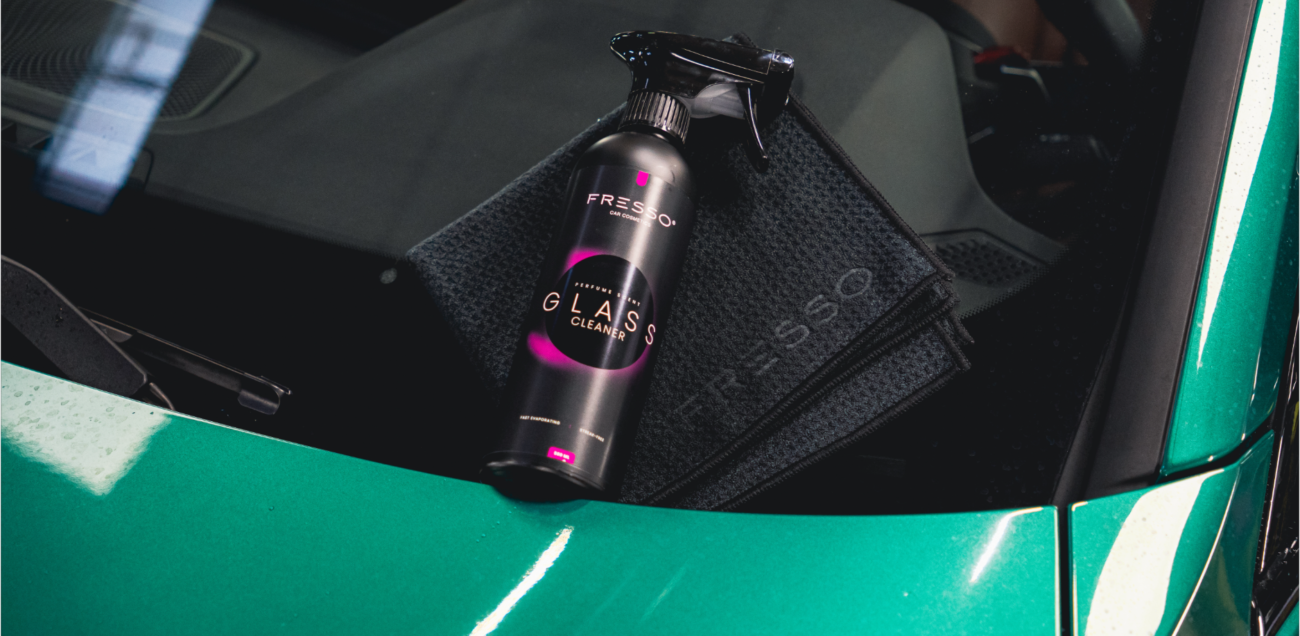
- Apply Glass Cleaner to a dedicated waffle-weave microfibre.
- Clean the glass thoroughly.
- Buff with a second clean, dry microfibre to minimise streaks.
Using separate cloths for cleaning and buffing helps achieve a clearer finish.
The Essential Car Care Kit for Beginners
If you’re building your first detailing kit, start with these six products:
- Alkaline TFR or Active Foam
- pH-Neutral Shampoo (Shampoo Premium)
- Wheel Cleaner
- Ceramic Detailer 2.0
- Interior Cleaner
- Glass Cleaner
Essential Detailing Accessories
Pair your products with a few quality accessories:
- Cody Wash Mitt
- A Drying Towel – Ashton Plus Drying Towel, Ashton Drying Towel or ZACK
- Wheel Brush
- Aurora Microfibre Cloths for applying Ceramic Detailer
- Agnes Microfibre Cloth for interior cleaning
- Waffle-Weave Microfibre for glass
- Scrub Pad
- Detailing Brush Set
Final Thoughts
You don’t need a professional detailing studio or dozens of products to get started. Six essential car care products and a few well-chosen accessories are enough to wash your car safely, clean the wheels, protect the paintwork and maintain the interior.
The key is following the correct order:
Pre-wash → Hand wash → Wheels → Drying → Paint protection → Interior care
Follow these basic principles and you’ll notice a difference in your car’s appearance from the very first wash. Regular maintenance will also make future cleaning easier and more enjoyable.
FAQ – Frequently Asked Questions
Is car detailing difficult for beginners?
No. Basic car detailing can be done at home, even without previous experience. Follow the correct order of steps and use products designed for automotive surfaces.
Which is more important: active foam or shampoo?
Both serve different purposes. Active Foam or TFR is used during the pre-wash to loosen dirt before touching the paintwork. Shampoo is used during the contact wash to clean the surface more thoroughly.
Can I wash my car using just one bucket?
You can, but the two-bucket method is generally preferable. It helps reduce the chance of transferring abrasive dirt back onto the paintwork and causing scratches.
How often should I use Ceramic Detailer?
This depends on the product, driving conditions and how the vehicle is maintained. Follow the manufacturer’s guidance for durability and reapplication. Regular use of a suitable detailer can help maintain gloss and water repellency.
Is Alkaline TFR safe for car paint?
It can be suitable when used at the correct dilution and according to the manufacturer’s instructions. Work on cool surfaces, avoid allowing the product to dry, and check compatibility with waxes, coatings and trim.
Which microfibre cloths should I buy first?
Start with three types: a general-purpose microfibre for paintwork, a separate cloth for interior surfaces and a waffle-weave cloth for glass. Keeping them separate helps prevent dirt and residue from being transferred between surfaces.
Can I use the same wash mitt on the wheels and paintwork?
No. Wheels can collect brake dust and abrasive road grime that may scratch paintwork. Use a separate wheel brush, mitt or detailing tool exclusively for the wheels.
Leave a comment